By Jazz Zhu
ACCELERATOR is Los Angeles Performance Practice’s flagship artist development program—a nine-month intensive that empowers multidisciplinary artists to build sustainable, visionary, and self-determined creative careers. A thoughtfully-selected cohort of twelve Los Angeles-based artists meets bimonthly to engage in professional development workshops, in-depth mentorship, and peer accountability to design a resilient creative life. By the end of the program, participants will have artist statements that celebrate their whole selves, a personalized strategy for resourcing their practice, and a sustainable approach to producing the work they’re passionate about.
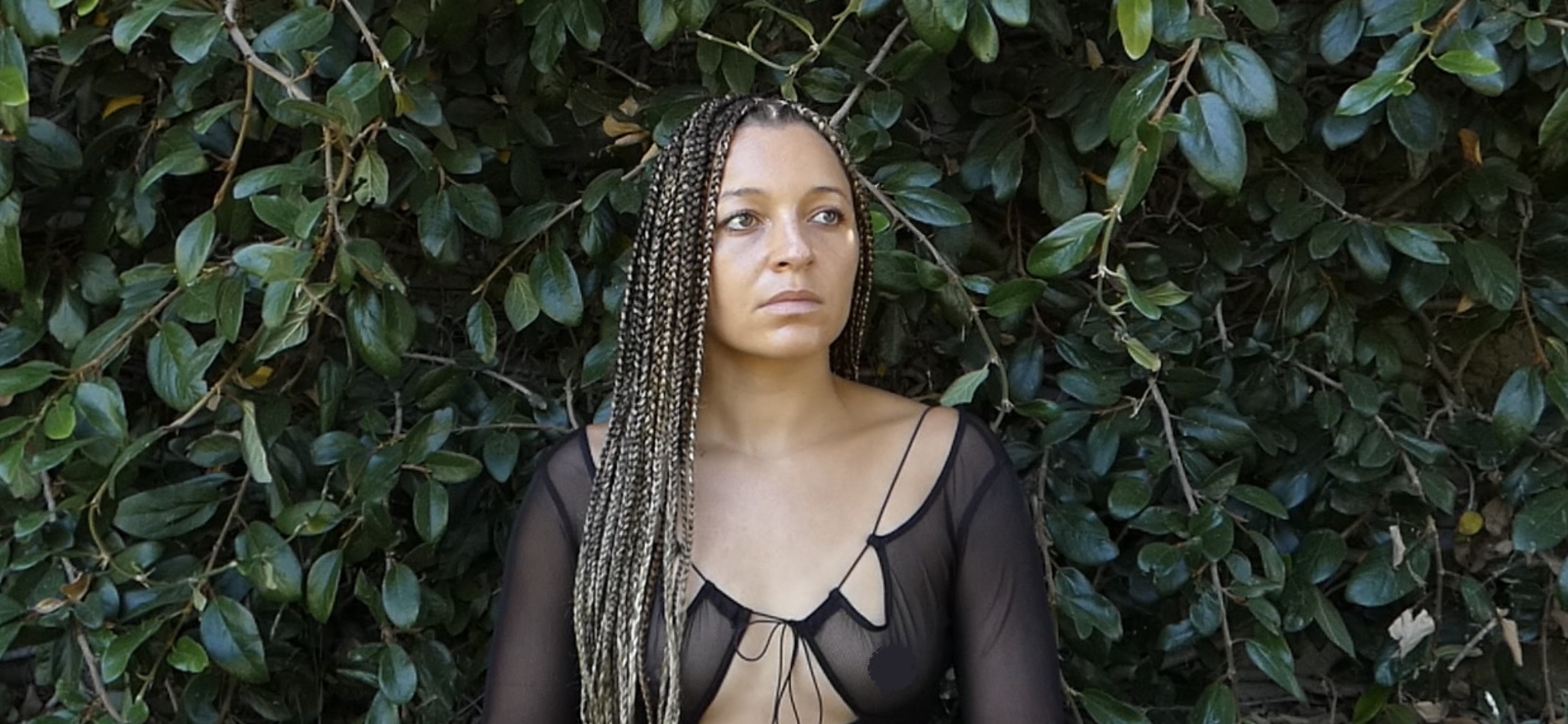
Cohort member Teila Theisen (she/her) is a performer, educator, and community advocate who is passionate about creating accessible, equitable, and inclusive live theater experiences for every adult and child. She believes art is a basic human need that deserves preservation. We spoke with Teila about growing up in LA, her commitment to collaboration and community, and using the arts as a catalyst for change.

As an Audience Development Manager with Central City Opera, Teila produced events and live performances including “Opera al Fresca” and the “Plein Air Festival.”
First of all, can you introduce yourself and your artistic background?
I’m originally from Los Angeles and grew up in the West Valley. My root training is in classical voice and dance. I was a musical theatre kid, but pretty early on I realized I love music and dance in a separate but connected way. I love contemporary dance and classical music, and I also studied jazz. I’m in a gospel choir now. I really love bending genres.
I went to college at Northern Illinois University, which was my first experience in a more regimented arts training environment. Growing up in LA, especially being raised by a single mom, I had access to really strong public school and after-school arts programs at very low cost. I didn’t realize how rare that was until I went to college and met people who came from conservatory-heavy training backgrounds. It’s so different from what I find LA to be, which is more like choosing your own adventure as the type of artist you want to become.
How did education and community work become part of your practice?
I wanted to create the spaces I had growing up because now I see how precious and rare they are. So I first started through education and engagement. I worked with a lot of national nonprofits, like the Boys and Girls Club and Girl Scouts, as a teaching artist and advocate, often in corners of our country where high-quality fine arts just don’t exist.
A big part of my ethos is collaboration. If ten nonprofits all have the same goals, why aren’t we working together? I really like pulling in different people—a conductor with a unique vision, a singer who isn’t as represented, a movement coordinator with a distinct style. I don’t love being front and center. I like creating something that feels like a raw representation of our community.

Teila led free dance and visual art workshops for Milwaukee Public Schools students during a teachers’ strike, creating a safe, creative space in solidarity with educators. Her work was featured in the Milwaukee Journal Sentinel.
Why is it so important to you to share the performing arts with youth and underserved communities?
Being a child is actually really hard. It’s challenging to find yourself before you’ve had much lived experience. Having taught all ages, I’ve noticed that in historically underrepresented communities, the pressure to move away from art can start very young.
From my experience serving in the Peace Corps in West Africa, I saw the opposite: you are an artist as soon as you enter this Earth. Everybody can sing and dance and play drums. You don’t need to go to a school to learn that; it’s ingrained in culture.
When going into an artistic learning space, it’s natural for educators to look for the kid with the extra pizzazz. On the contrary, my approach is often to focus on the kids who are the most guarded and unsure, convinced that art isn’t for them. I try to dismantle that resistance. For many children of color, art and music can be a conduit back to cultural roots that history and diaspora have distanced them from. I want them to have access to that richness.
What were you like as a child?
I had a lot of pizzazz, probably too much. Growing up in the 90s, my report cards always said I talked too much and turned everything into a performance. There was very little diversity in the Valley at the time. I was often one of the only Black kids in my school.
Now, when I go into traditional classrooms, I give kids permission to move, dance, and express themselves. Sometimes that’s the only time that week they get that freedom. Art and music can change not just the kids, but the teachers and the classroom environment as well.
When did you first encounter racial inequality in education and the arts?
One of my first experiences was in elementary school, when a teacher was consistently harder on me than other students. My mom later helped me understand that it was obvious racial prejudice.
Then, it was typecasting. In college and in classical music, I was repeatedly cast in roles centered on oppression or slavery. I became exhausted by constantly portraying trauma. While those stories matter, I also had to challenge myself to ask: Where is the celebration? Where is the beauty? That tension is still something I navigate in my work.

“BOTH” with Open Fist Theater Company by Tom Bishel
Did you always know you wanted to be an artist?
Yes. I never imagined doing anything else. What changed over time was realizing that I also had a responsibility to create space for others. In opera spaces, I’m often the only Black woman in the room. A mentor once told me that because I had access to those rooms, I had a responsibility to bring others with me. That changed how I saw my role.
Instead of explaining away the years I spent teaching, working in nonprofits, or living abroad, I now see all of that as part of my responsibility and purpose.
What role does collaboration across communities play in LA’s arts ecosystem?
Culturally specific spaces are really important for safety and belonging. At the same time, I think breaking through those boundaries is our next step. It’s a hard balance. Protecting space matters, but collaboration feels necessary for creating bigger change.
What can individual artists do to create change?
Doing the work is activism. Every attempt to bring a project to life matters, even when it feels blocked by systems, funding, or access. I always tell younger artists that you already are an artist. Your lived experiences are part of your practice. Reframing that for ourselves is a form of decolonization.
How do you sustain yourself when the work feels heavy?
It can be isolating and disheartening to be the only person of color in a room, especially in spaces dominated by older white men who hold the keys to the city. What helps is knowing that many women of color are doing this work all over the world, even if we don’t always see each other.
I also believe that some of the greatest art grows out of difficult times. The most beautiful plants rise from the rubble, and animals that have survived centuries are some of the most majestic. That’s a representation of hope.

“BOTH” rehearsal with Open Fist Theater Company by Nathan Baglyos
What brought you to LAPP’s ACCELERATOR program?
I love showing up for others and watching them shine, but I don’t give that love to myself. There’s some sort of block there, which is probably also cultural, the way that I was raised.
I’d always wanted to get involved with LAPP, and when ACCELERATOR came up, I knew that’s what I needed: accountability and affirmation. I just need someone being like, why aren’t you doing art today?
I’m developing a project called Godfather Death, based on a Brothers Grimm fairy tale. For me, ACCELERATOR is less about the spreadsheets and tools, and more about learning to give myself the same love and belief I give to others. Gina likes to end our meetings by saying, “Your art is important and the world needs it.” It’s simple yet so powerful. Truly believing that my work matters, has been one of the most meaningful parts of the program for me.
Last question: what are some of your obsessions?
The Spice Girls were my first big obsession, and honestly, they still are. I’m also obsessed with travel. Seeing different cultures, tasting different food, and meeting people puts my life in perspective.
This year, I’m focused on one very specific goal: getting a bulldog.

Los Angeles native, Teila Theisen (she/her), has worked in community-based art and culture advocacy for over a decade. She obtained a Bachelors degree in Fine Arts cum Laude from Northern Illinois University, with an emphasis in Theater, Voice, and Dance, under the Lila Dole Talent Scholarship. Her performance credits include solo work with DanszLoop Chicago, a revival of work choreographed by James Truitte, and several multidisciplinary vocal performances throughout the westcoast. Teila has performed locally with Selah Gospel Choir, The DC6 Collective, and Open Fist Theater company. With a passion for producing art in historically underserved communities, Teila has choreographed and directed dance and music performances and festivals through collaborations with The Arroyo Stomp Festival, DanceWorks, Central City Opera, Pacific Opera Project, and the Pueblo de Cochiti. She is a Returned Peace Corps Volunteer who led projects with traditional West African music and dance to increase gender-equity and Female Genital Mutilation prevention in The Gambia. Teila Theisen has a passion for creating accessible, equitable, and inclusive live theater experiences for every adult and child, believing that art as a basic human need that deserves preservation.